Podcast: Play in new window | Download
We have another mystery on our hands. We have a missing year. And I don’t think it was because nothing was happening.

A Chronological History of Britain
Every episode of The British History Podcast that moves the story forward in a chronological way.

Podcast: Play in new window | Download
We have another mystery on our hands. We have a missing year. And I don’t think it was because nothing was happening.

Podcast: Play in new window | Download
Europe was in chaos in the 1020s. Crises just kept coming, and the powerful were trying to capitalize on disorder. And in times like these, actions can have outsized impact, even the smaller ones.
For example, if you sat in Leicester during the 1020s, the last thing you would have been paying attention to would have been the spat between dukes in Northern France. And even further below the things your list of interests would have been one of those Dukes taking a mistress and having a bastard boy.

Podcast: Play in new window | Download
What we call history was, at one point, just current events. And world affairs never happen in a vacuum. It’s never just one thing happening after another… it’s a whole mesh of events that, while they might happen in their own sequences that look very much like just one thing happening after another, they’re actually interwoven with a massive web of other events (some seen and some unseen) that affect the outcomes of whatever was happening currently, and what could happen in the future.

Podcast: Play in new window | Download
It’s 1025 Cnut had a problem on his hands.
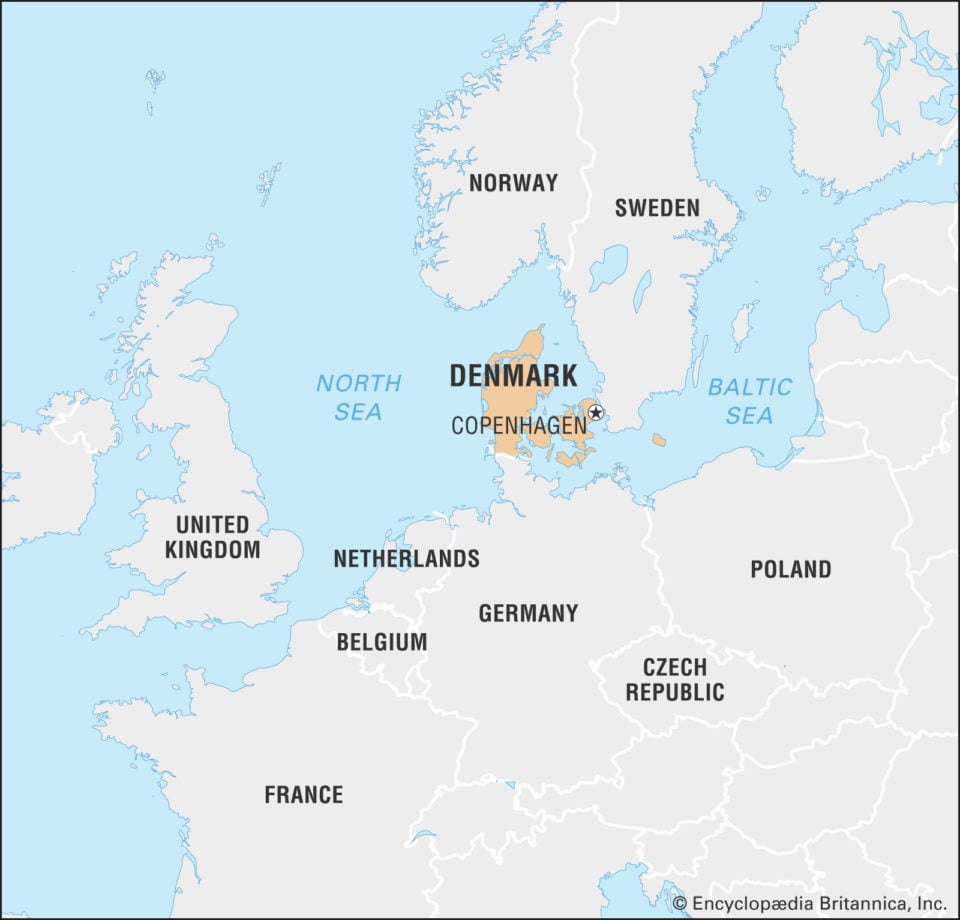
Barely a year after putting down Thorkell’s rebellion, Cnut was sailing for Denmark… again. To war, again.

Podcast: Play in new window | Download
In the early 11th century, the English were crushed by the Scots in the Battle of Carham. We are told that King Malcolm of Scotland, supported by King Owain of Strathclyde, brought their combined armies to bear against the forces of Ealdorman Uhtred of Bernicia in 1018… and there, they slaughtered the English.
But there’s a problem with that story.

Podcast: Play in new window | Download
In the year of 1021, the Anglo Saxon Chronicle tells us two things.
A Bishop died.
And Thorkell the Tall was expelled from the country. And that’s all it tells us.

Podcast: Play in new window | Download
If you have heard of King Cnut, what you probably heard was the story of Cnut and the Tides. The most common version of it goes like this.
“Canute, the greatest and most powerful monarch of his time, sovereign of Denmark and Norway, as well as of England, could not fail of meeting with adulation from his courtiers; a tribute which is literally paid even to the meanest and weakest princes. Some of his flatterers breaking out, one day, in admiration of his grandeur, exclaimed that every thing was possible for him: Upon which the monarch, it is said, ordered his chair to be set on the sea-shore, while the tide was rising, and as the waters approached, he commanded them to retire, and to obey the voice who was lord of the ocean. He feigned to sit some time in expectation of their submission; but when the sea still advanced towards him, and began to wash him with its billows, he turned to his courtiers, and remarked to them, that every creature in the universe was feeble and impotent, and that power resided with one Being alone, in whose hands were all the elements of nature; who could say to ocean, ‘Thus far shalt thou go, and no farther’; and who could level with his nod the most towering piles of human pride and ambition.”

Podcast: Play in new window | Download
When we left off, Cnut had managed to get Eadric to go on the record calling for the execution of the English claimants to the throne… and then Cnut rejected the suggestion, and instead outlawed Eadwig, and exiled the sons of Edmund to Sweden.
What the public likely didn’t know was the fact that Cnut had quietly hired an assassin to finish the job with Eadwig, and he had given orders to King Olaf of Sweden to execute Edmund’s sons, once they reached his shores.

Podcast: Play in new window | Download
It’s been a strange few years.
The fall of the House of Wessex and the rise of Cnut looks like a simple story of conquest. After all, it’s right there in the title. Virtually every book on this era has a chapter called “The Conquest of England.” And for good reason… Cnut /was/ a conqueror. And conquest, at least in the popular imagination, is a simple story of military domination. Of soldiers and sieges, where the biggest army and the best tactics win the day.

Podcast: Play in new window | Download
Morcar and Sigeferth were under a lot of stress.
These two noble brothers from the North had only just managed to join the Wulf dynasty through Sigeferht’s marriage to Ealdgyth, the niece of the powerful Ealdorman AElfhelm of York and Wulfric Spot. And that really should have been a smart move, given how powerful that family was.