221 – Alfred and Guthrum: The Price of Peace

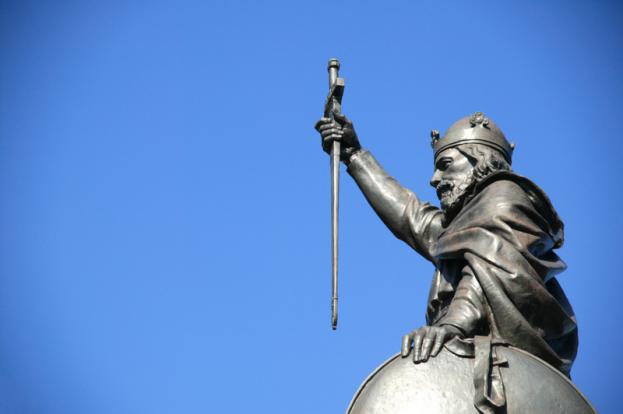
When we left off, Guthrum had marched into the heart of Wessex without being noticed, lead his forces right past Alfred’s hold in Winchester, and seized the Royal tun of Wareham. In response to this, Alfred raised the Fyrd, marched upon the southern port town, and besieged it. Now all of our surviving sources are silent on how long this siege lasted. Alfred may have tried to end it quickly, but it’s just as likely that he and his army camped on the edge of Wareham for a very long time and that Guthrum’s army was running low on supplies. Looking at the record, our best guess is that the siege lasted until winter and only came to a conclusion in either in the end of 876 or early 877, but this is one of those details we will never know for sure.
Sign up for membership to read the full transcript.

Support the Show

218 – The Kingdom of Jorvik

Today we begin in Orkney.

The history of Orkney is rather obscure, and that fact is reflected in the show… with it appearing only occasionally in the Scotcasts and Celtcasts. However, in the last 80 years, things have been changing rapidly for the inhabitants of this misty land, and the people of Orkney started to play a key role in the Nordic invasion of Britain and actually provide a window into what’s coming for Northumbria.

Early in the Viking Age, the Norse discovered that only about a couple days voyage to the south lay an archipelago of about 170 islands that spanned the northern portion of Britain. It was ideal for their needs. The voyage to the British isles were perilous. It required the longships to travel out of the sight of land and that meant that, rather than beaching their ships at night and resting, they would instead have to sail adrift in undecked open ships over black night time waters.

Sign up for membership to read the full transcript.

Support the Show

217 – Halfdan’s Ravaging of the North

We begin our story in Alt Clut.

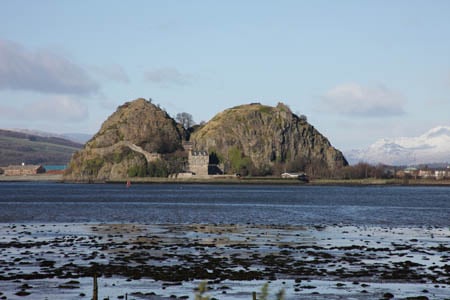
Alt Clut was an ancient British Kingdom and it could trace itself back to Roman Britannia – and possibly even further. At the center of this kingdom was an old fortress on a River, the River Clyde. The Kingdom’s name derived from the Brythonic name for the rock featured by this fortress. Alt Clut: Rock of the Clyde.

This rock feature on the river Clyde probably defined the area for many of its people, and over time it likely came to define the people themselves.

Sign up for membership to read the full transcript.

Support the Show

216 – The Great Heathen Army: Always Be Prepared

Click here to go the Summary of Zee’s PhD that I talked about.

We are coming to a major turning point in the story of Britain.The Anglo Saxon kingdoms never had a chance of turning the Great Heathen Army back, and now it looks like they’re here to stay. There’s no denying it anymore. But that’s as much a problem to solve for the Danes as it is for the Anglo Saxons. What happens when you’re no longer invaders, but rulers? History as we know it is littered with empires that fail right at this point, when they switch from the the activity of conquering to the business of governance.

This is also a major new problem for one of the last independent Anglo Saxon kings.

Sign up for membership to read the full transcript.

Support the Show

215 – King Burgred and the end of the Danish Sausage Fest

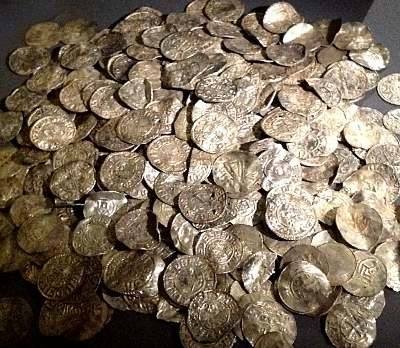
It’s 873 and so far Halfdan has extracted THREE Danegelds from King Burgred in exchange for promising to not occupy Mercia. And, of course, he’s gone on to occupy Mercia… most recently in a town called Torksey. He also put down a rebellion in Jorvik and reclaimed the city. He pushed King Ricsige of Northumbria beyond the Tyne, effectively demoting him to King Ricsige of Bernicia. And now, he was marching (or potentially rowing) towards Repton, which was also in Mercia.

Burgred couldn’t catch a break with this guy.

Sign up for membership to read the full transcript.

Support the Show

213 – Danegelds, Peace, and Shame

Last time we left off, Alfred… who we have been following since his earliest days, and whom we now know the most intimate details of, including the state of his butt (which was swollen) and the state of his libido (which apparently was also swollen)… well, by mid 871 his brother was dead and he was the last surviving son of old King AEthelwulf son of Egbert.

Sign up for membership to read the full transcript.

Support the Show

207 – Christianity in Early Danelaw

Here is part two to our story of religion and religious life at the age of the Great Heathen Army and the Danish invasion of Britain.

Last episode, I told you about how the stories we’re often told – of violent atrocities committed against Christian spaces and against Christendom itself – didn’t actually originate from the 9th century, when they supposedly occurred, but only appear in our record during the 12th Century. Two hundred years later during the height of the Crusades. We spoke about how the idea of the pagan zealotry of the Vikings doesn’t align with reports that they converted to Christianity eagerly and easily. And I showed you how the archaeological and contemporary record doesn’t comport with the popular story of a religious war against the Christians of Britain… a story that relies entirely upon records that were written centuries after the fact.

Sign up for membership to read the full transcript.

Support the Show

206 – Did the Great Heathen Army Persecute Christians?

Last week we covered the events of 869. The situation was dire. We have at least one dead Anglo Saxon king, two Anglo Saxon kingdoms that were now under the thumb of the Danes, and as far as the record tells us, everyone else was just keeping their heads down. They may have taken comfort in the fact that at least Ivarr the Boneless was gone… and we don’t know how many warriors he would have taken with him back to Ireland (or would have left, if the one oddr eport was correct and he died in Britain) but the Danes still held East Anglia and Jorvik.

Sign up for membership to read the full transcript.

Support the Show

The playful nod at the end was the theme to Serial (bad dream) by Nick Thorburn. Please don’t sue me. I love the work you’re doing!

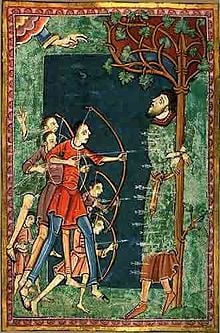
205 – Saint Edmund the Martyr

Last episode we ended with the engagement of Prince Alfred to Ealhswith, daughter of Ealdorman AEthelred Mucel of Mercia and descendant of King Coenwulf of Merica, and I briefly mentioned political implications of such a match. But there was a personal aspect to this as well. Not the marriage itself, though that was certainly personal… so personal, in fact, that we have no real knowledge of how Alfred felt about his wife… we know how he felt about his piles, we know how he felt about hunting, we know quite a bit about his feelings for a variety of things… but not his wife. It’s entirely possible that he was desperately in love and the silence in the record was just part of the culture of the time and one didn’t speak of such things. But the fact remains that we don’t know much about how he, or Ealhswith, felt about the marriage.

Sign up for membership to read the full transcript.

Support the Show

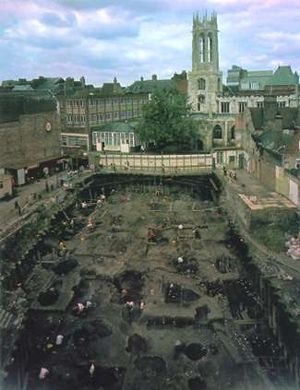
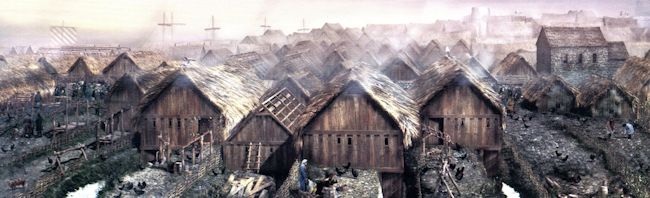
203 – Jorvik

I’d like to start today’s episode with a poem. Not about my feelings, or about a tough breakup… but a skaldic poem from the 12th century. It’s called The Lay of Kraka, and it was probably recorded somewhere in Scotland. The reason why it’s important is that it contains what is claimed to be Ragnar Lodbrok’s death song… So according legend, this is the starting point for everything we’re been talking about.

Sign up for membership to read the full transcript.

Support the Show