Members Only 45 – King Arthur: Part Two

A Chronological History of Britain
Podcast: Play in new window | Download
Alright, so last episode we learned all about Edith and Basil’s experience at Sutton Hoo, and we covered the opening of four of the 18 mounds… and the excavation of the Burial Chamber of Mound 1. But we haven’t discussed what was actually found and what it means. So guess what we’re going to be talking about today?
Podcast: Play in new window | Download
Raedwald… King of East Anglia… Bretwalda.
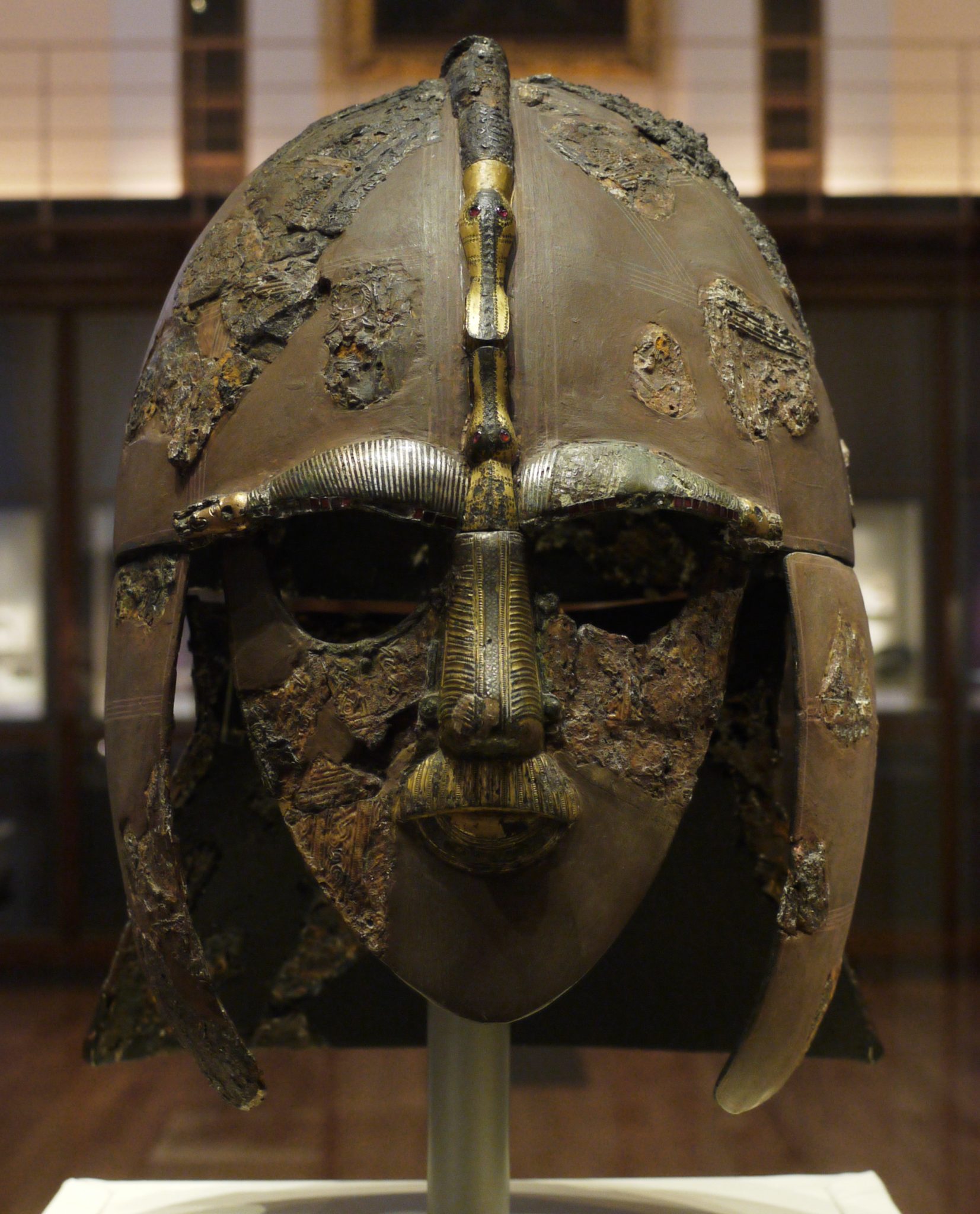
When he is mentioned, if you had heard that name before this show, chances are you heard it in connection with Sutton Hoo, which is possibly his burial site. And Sutton Hoo is one of the most famous archaeological digs in Britain. Just the name conjures images of the great Anglo Saxon helmet, with its impressive faceplate and ornate decorations in bronze, iron and tin. But there’s much more to it than that. And today, we’re going to talk about some of what makes Sutton Hoo so special.

Podcast: Play in new window | Download
Alright, last week we finally saw the fall of AEthelfrith and the rise of Edwin of Deira and King Raedwald of East Anglia… Bretwalda! As you probably gathered, that was not the last would will hear of Edwin.
Podcast: Play in new window | Download
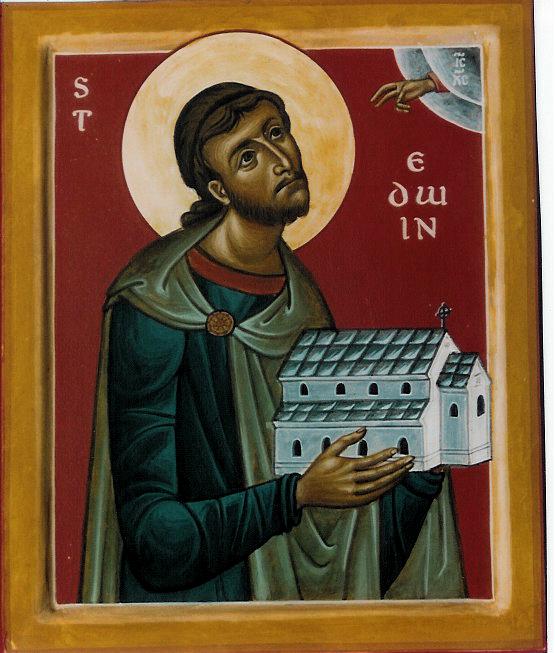
Ok, when we left off, Edwin… the exile from Deira, had been on the run for quite some time. The King of Bernicia, AEthelfrith, now occupied the throne held by his father, and his father’s father, and so on and so forth. His sister, Acha, had given birth to a child with the man who was hunting him (and we aren’t sure what the circumstances to that were). His nephew, Hereric, had been poisoned at the court of Ceretic of the Elmet. He had married a Mercian princess, possibly as a condition for ensuring his safety and an attempt to build alliances with common enemies of King AEthelfrith. War had broken out between his former home and the British kingdoms that had offered him safety… and things had been turning against the British and towards Northumbria (with the British kingdoms of Wales being effectively cut off from their compatriots to the north, following the Battle of Chester). King Iago of Gwynedd was now dead, as well as a number of other British leaders who had stood against this menace that had risen in the North that was relentlessly pursuing him.
Podcast: Play in new window | Download
Today we’re going to talk quite a bit about Northumbria. And actually, Northumbria is going to start to get really important in our story going forward. Now much of what we know of Northumbria during this period is due to the efforts of Bede, and other Northumbrians who maintained his tradition of keeping annals. And actually, it’s been argued that even the term “Northumbria” might have been coined by Bede himself. So clearly this is a very important source for us.

Podcast: Play in new window | Download
So you might not know this about me… but I used to have long hair. Really long hair. That flowed down my back in ringlets and, if I left conditioner in it, sausage curls. Basically, I had captain hook hair.
And of course, I had all manner of people taking an interest in my hair and what I did with it. Generally, if someone took an interest, they were going to tell me I needed to cut it.
Anyway, ever since, I’ve been fascinated by the attention we pay to hair. And I started to wonder if the Anglo Saxons had a similar thing going on in their culture. Which lead to some research, and ultimately this episode. I hope you enjoy it.
Podcast: Play in new window | Download
This episode is going to have a lot of moving pieces and a lot of AEthel’s. So many AEthels. I’ll do my best to keep reminding you who I’m talking about and what they rule over and why they’re important, but this might be an episode you’ll want to relisten to. A lot of important things are going to happen. And all of the action will take place in just over a decade. A very very messy decade.
